关键词:行通济
Keyword: Crossing Tongji Bridge
“行通济,无闭翳!”又是一年行通济。正月十五、十六是佛山人一年一度行通济的日子,今年是3月2、3日。行通济有哪些历史和民俗?一起来知多D!
“Crossing Tongji Bridge, troubles go away!” The annual crossing Tongji Bridge activity falls on the 15th and 16th day of the first lunar month, which is March 2nd and 3rd this year. What are the history and customs of crossing Tongji Bridge? Let’s know more about it.

通济桥
Tongji Bridge
通济桥已有超过450年的历史,是佛山最早修建的桥梁之一。它原是一座拱形的桥梁,每当夕阳斜照,桥形倒映于水中,宛如天上出现的一条彩虹一样,荡漾于碧波之中,古人以为奇观,将它列入佛山八景之一:村尾垂虹。
With a history of more than 450 years, Tongji Bridge is one of the earliest bridges built in Foshan. At dusk, the shadow of the archy bridge was reflected on water, which looked like a rainbow in the sky. Thus, it was listed as one of the eight sights of Foshan by ancient people: falling rainbow at the end of a village.
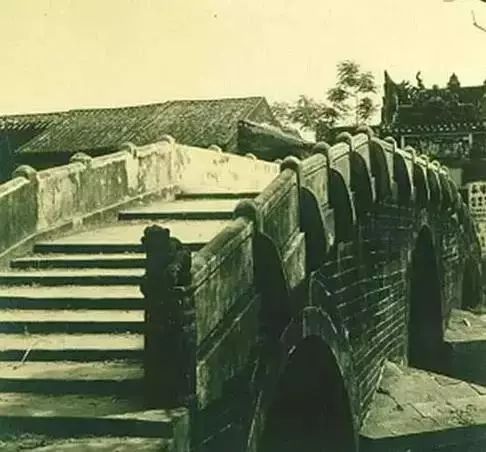
通济桥旧照 Old picture of Tongji Bridge
古代的通济桥,桥头石级共9级,桥尾13级,反映出“九出十三归”的意念。意思是价值十元的东西,九元当押出去,以十三元来向当押店赎回。这反映了佛山早期典当业兴盛发展的历史。
The ancient Tongji Bridge had 9 stone steps at the head and 13 at the end, which means “9 out and 13 back”. In other words, something with a value of 10 yuan that were pawned in 9 yuan had to be redeemed in 13 yuan. It showed that pawnbroking industry was flourishing in early times in Foshan.
行通济习俗
Crossing Tongji Bridge customs
古时,通济桥是佛山商贸交流的重要通道,因此,佛山商民为求来年生意顺境,便行通济桥讨好意头,后渐成习俗,并衍生出“行通济,无闭翳”这一俗语。
In ancient times, Tongji Bridge was an important channel of business communication in Foshan. Therefore, in order to wish for business development, Foshan people would cross Tongji Bridge for good luck, which turned out to be a custom and developed an old saying, “crossing Tongji Bridge, troubles go away”.
“闭翳”是指忧愁、衰气的意思。“行通济,无闭翳”这句俗语是指到通济桥上走走,就能消除疾病、烦恼,得到幸福、安康,表达了人们的良好愿望。
The saying means that illnesses and troubles will be eliminated if people walk across the Tongji Bridge, expressing the best wishes of gaining happiness and health.
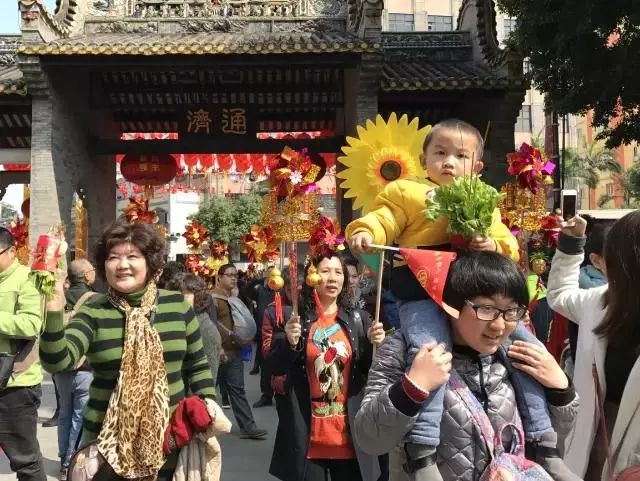
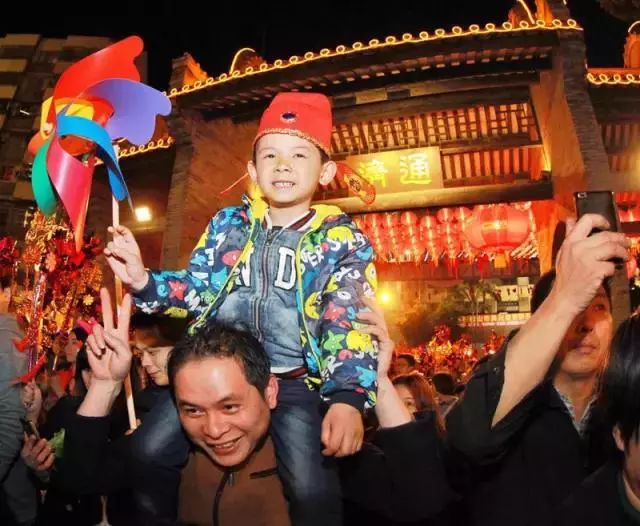
从明末清初开始,每逢正月十六,家家户户都会扶老带幼,举着风车,摇着风铃,提着生菜,浩浩荡荡地由北到南走过通济桥,祈求来年平平安安、顺顺利利。风车象征着“时来运转”或者是“一帆风顺”。生菜,因和“生财”谐音,被看做是富贵吉祥的喜庆之物。
Since the end of Ming Dynasty and the beginning of Qing Dynasty, every household will bring pinwheels, bells and lettuce to cross Tongji Bridge from north to south on the 16th day of the first lunar month to wish for a smooth year. Pinwheel symbolizes turning into good luck and sailing smoothly. Because lettuce has a similar sound of “gaining wealth” in Cantonese, it is seemed as a symbol of fortune and luck.
变迁与重修
Changes and reconstruction
民国初年,通济桥附近河道淤塞,已极少往来。解放后,佛山马路多次扩建,这一带再也找不到“桥”的痕迹了。2000年,佛山市政府筹资重修通济桥,并在桥的前后扩建广场、修建凉亭。
In the early Republic of China, there was little traffic on the bridge due to silted rivers nearby. After the founding of the People's Republic of China, Foshan roads expanded for several times and the bridge was nowhere to find any more. In 2000, Foshan government rebuilt Tongji Bridge and added a square and pavilion around the bridge.
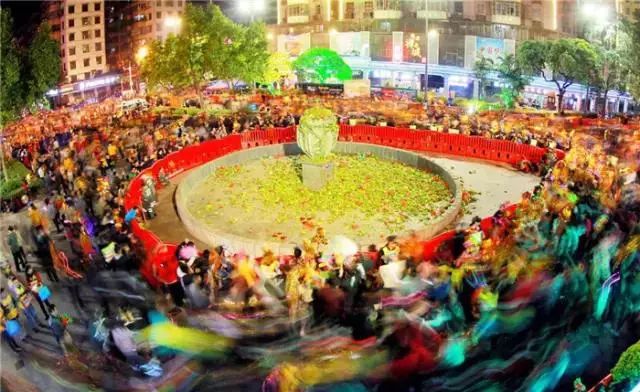
后来由于太多市民行通济时把生菜扔到桥下河涌里,因此在广场处加建了生菜池,并提倡“引财归家”,鼓励市民不要扔生菜以免造成浪费。
Later, because too many people throw lettuce down the river, a lettuce pond was built at the square. People are encouraged to “bring fortune home” instead of throwing lettuce in case of wasting.
传统民俗新内涵
Charity combined with folk custom
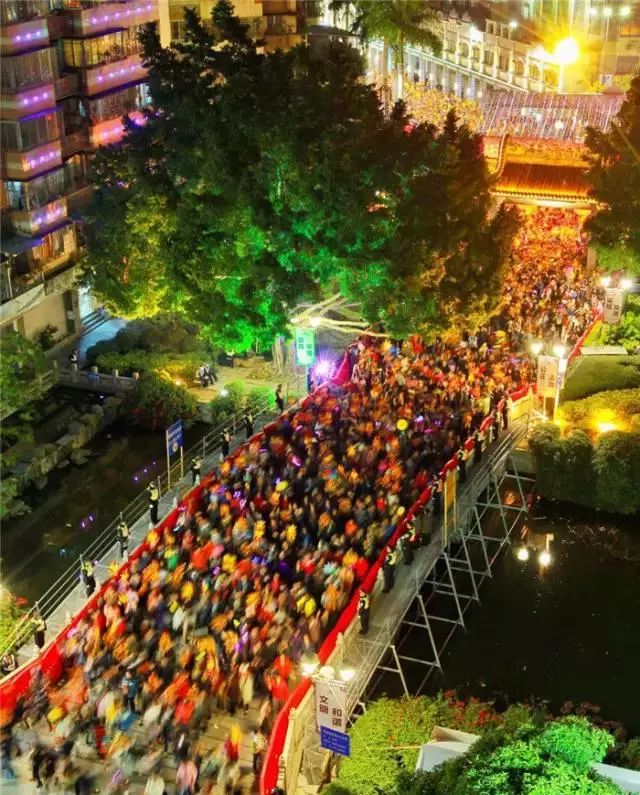
2017年有超73万人穿过通济桥,创下历史新高。行通济的风俗发展到现在,已经成为了佛山文化的一张名片,影响力遍及珠三角和港澳地区,每年都吸引多家媒体争相报道。从最开始的祈福行为,到现在慈善组织和社会团体困难群众筹集善款,行通济形成一道独特的、充满爱心的文化风景线。
In 2017, more than 730,000 people crossed Tongji Bridge, creating the highest record. So far, the custom of crossing Tongji Bridge has developed into a name card of Foshan culture, influencing the Pearl River Delta area, Hong Kong and Macao. Every year, it attracts lots of medias to come and report. From an act of praying in the beginning, to charitable organizations and social societies collecting donation for those in need, crossing Tongji Bridge has become a unique and loving cultural scenery in Foshan.
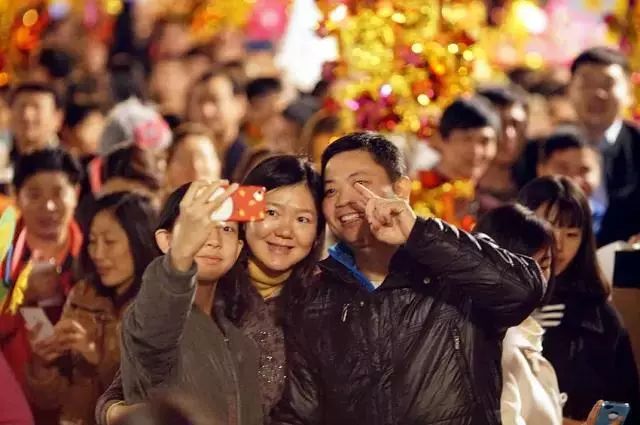
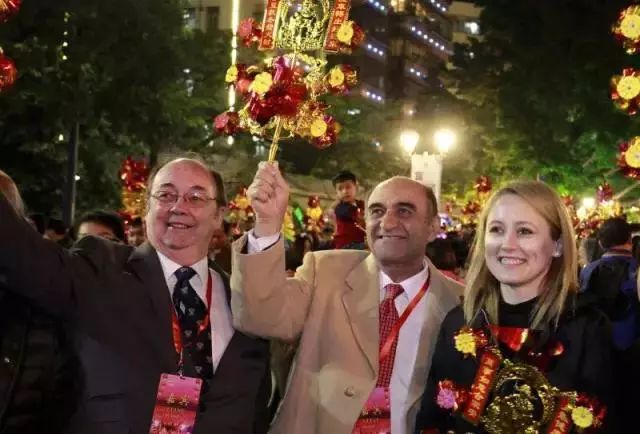
去年行通济盛况:Last year’s pictures:
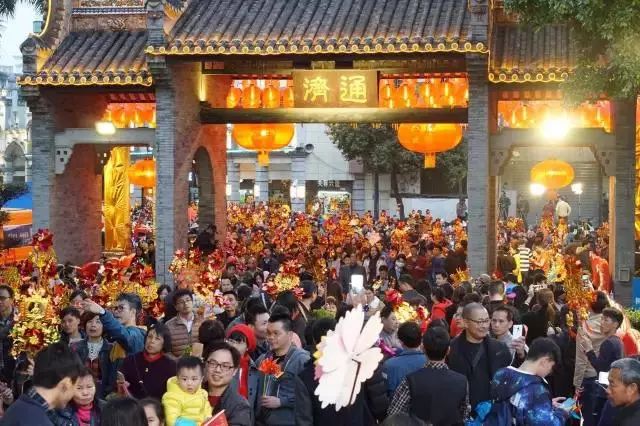
今年佛山行通济,约定你!
This year, let’s cross Tongji Bridge!
出门在外,视频随便看!
领卡免费哦!
长按识别二维码有惊喜↑↑
编译:Jessica
来源:佛山新闻网、珠江时报