<<<左滑阅读中文版
Chikungunya fever outbreak in Foshan recently shot to the top of search trends, leaving many people confused: “What kind of fever is that?”
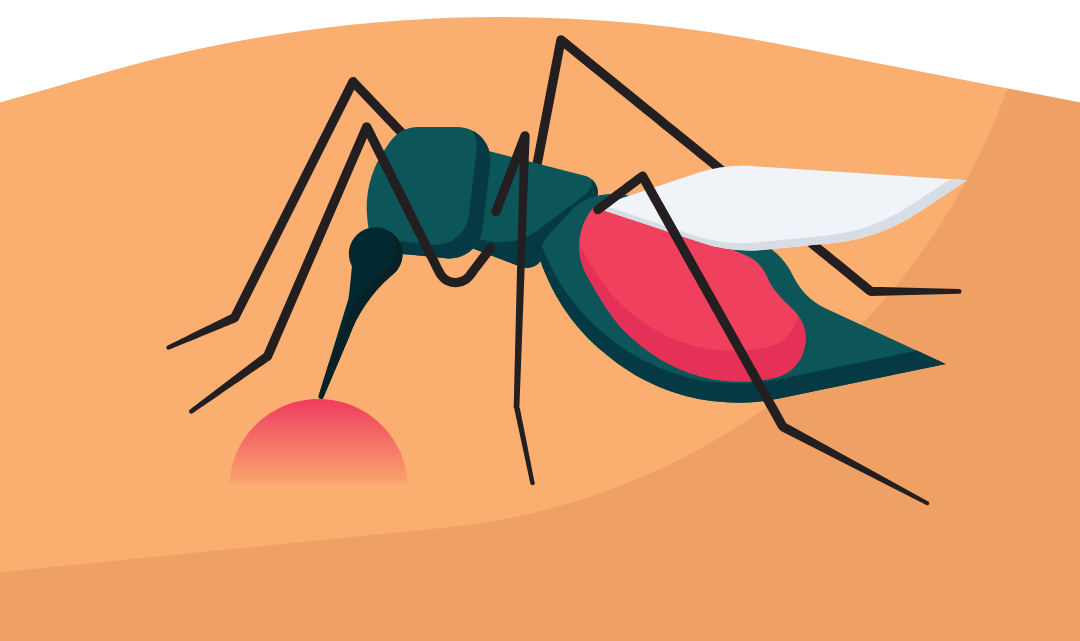
This isn’t just a case of regular heatstroke or a simple viral fever — It’s a mosquito-borne viral illness that can cause high fever, rash, and in more severe cases, debilitating joint pain.
What Is
Chikungunya Fever
Chikungunya fever is an acute infectious disease caused by the Chikungunya virus (CHIKV), primarily spread by the bite of Aedes mosquitoes, which are commonly found in tropical and subtropical regions.
These mosquitoes, known for their distinct black-and-white striped bodies, are the same vectors that transmit dengue and Zika viruses. They usually bite during the daytime.
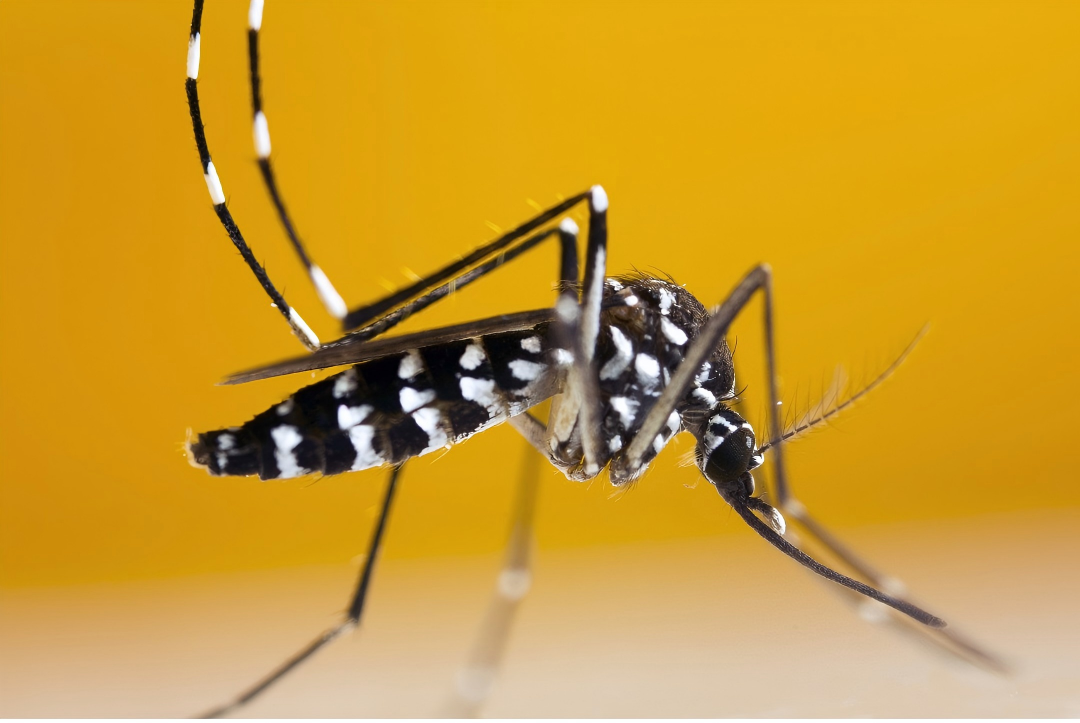
To date, over 110 countries and regions around the world have reported Chikungunya outbreaks.
With climate change and increasing international travel, mosquito-borne diseases like this are spreading faster than ever. In China, imported cases continue to be detected at ports of entry and in southern provinces — a warning sign that prevention is crucial.
Common Symptoms
After infection, the virus has an incubation period of 3–7 days, followed by sudden-onset symptoms such as:
Body temperature can quickly spike to 39–40°C (102–104°F), often accompanied by chills and headache. The fever usually lasts 3–5 days.
The most characteristic symptom is intense joint pain, especially in the hands, feet, spine, and knees. The pain can be so severe that it limits movement and causes a hunched posture.
In fact, “chikungunya” comes from an African word meaning “to become contorted”, describing the stooped posture of sufferers.
More than half of patients develop a rash after the fever subsides. The rash typically appears on the torso, limbs, palms, and soles, sometimes with itching.
Other possible symptoms include nausea, vomiting, conjunctivitis, and extreme fatigue.
How Is It
Different from Dengue
Given the overlap in symptoms and mosquito vectors, Chikungunya fever is often mistaken for dengue fever, especially in the early stages.
However, there are some key differences:
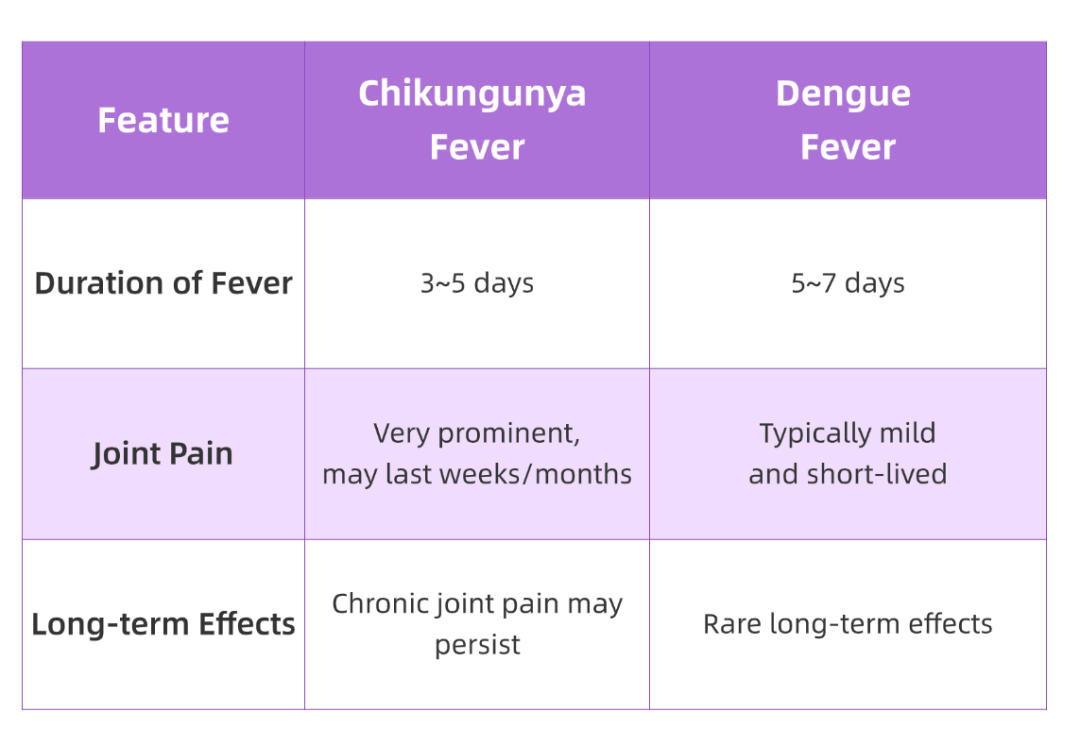
In short: Chikungunya hurts more, Dengue is more dangerous.
How to Prevent
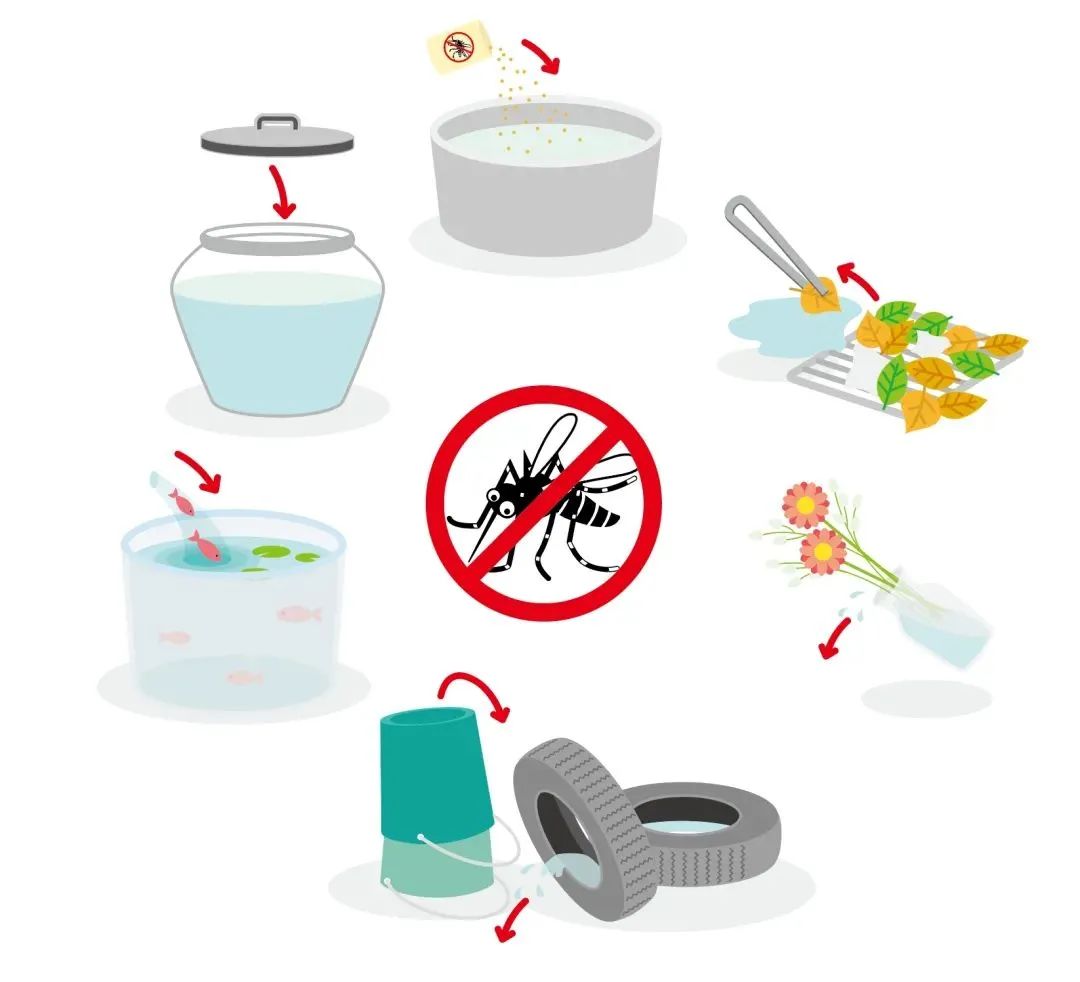
Eliminate Standing Water:
Target Mosquito Breeding Sites
Empty and discard containers like cans, bottles, buckets, flower pot trays, and anything that can collect rainwater.
Change water in plant vases and wash containers at least once a week.
Clean trays under air conditioners and water dispensers.
Seal or drain tree holes, bamboo poles, and discarded tires to prevent water accumulation.
Personal Protection:
Avoid Mosquito Bites
Install window and door screens at home. Use mosquito nets when sleeping.
When outdoors, wear long sleeves and pants, and apply mosquito repellent containing DEET.
Use electric mosquito swatters, insecticide sprays, or mosquito traps indoors when needed.
Monitor Your Health
After Traveling
If you’ve recently returned from Southeast Asia, Africa, India, or other endemic regions,watch for fever, joint pain, or rashes within 14 days. Seek medical attention promptly, and inform your doctor about your travel history.
Chikungunya fever is not just a trending topic — it’s a real and painful illness that’s on the rise globally.
With no cure or vaccine available, your best defense is to stay alert, eliminate mosquito breeding sites, and protect yourself from bites.
Let’s take action before the buzz becomes a burden.
点“在看”让更多人看见↓↓↓
>>> Swipe Right for English
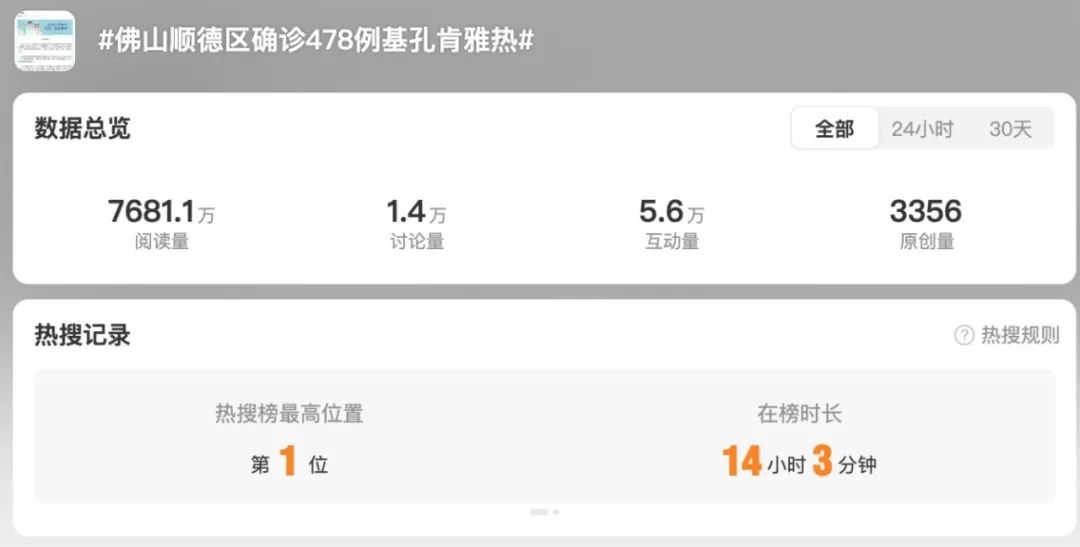
基孔肯雅热突然冲上热搜
不少网友一脸问号
“这是什么热?”
这不是简单的“中暑”或“发烧”
而是一种由蚊子传播的病毒性感染
症状轻则发热、皮疹
重则关节剧痛
什么是基孔肯雅热
基孔肯雅热是由基孔肯雅病毒(CHIKV)引起的急性传染病,主要通过伊蚊叮咬传播,常见于热带和亚热带地区。
“伊蚊”就是我们熟悉的“花蚊子”,身体黑白相间,常在白天叮人,也是登革热、寨卡病毒的传播者。
目前,基孔肯雅病毒已在全球超过110个国家和地区发现,随着气候变暖、跨境流动频繁,这类蚊媒传染病正在加速扩散,我国多个口岸和南方地区已发现输入病例,风险不容忽视。
常见症状
感染后,病毒潜伏期通常为3~7天,随后急性发作,表现为:
体温迅速升至39~40℃以上,伴有畏寒、头痛,发热通常持续3~5天。
最典型的症状是关节痛,尤其是手脚的小关节、脊柱、膝盖等,疼痛剧烈、活动受限,甚至让人弯腰驼背走路困难。“基孔肯雅”在非洲语中正是“痛得弯腰”的意思。
大约一半以上的患者在发热后出现皮疹,好发于躯干、四肢、手掌和脚底,可能伴有瘙痒。
此外,有些人还可能伴有恶心、呕吐、结膜炎、疲乏无力等。
和登革热的区别
很多人看到这里可能会联想到另一个“夏季老熟人”——登革热。它们的确很像:都是伊蚊传播,起病快,发热高,症状初期难以分辨。
但也有几点不同:
如何预防
清除积水,让蚊子无处藏身
翻盆倒罐:对于房前屋后、阳台或窗台等露天场地的饮料罐、食品盒、玻璃瓶、水桶、花盆托盘等各种能形成积水的容器,及时清除丢弃或翻倒过来,防止积水。
植物换水:水生植物定期换水洗瓶(每星期至少1次)勿让花盆底盘留有积水。
电器积水:及时清理空调、饮水机托盘等积水。
填平坑洼:填塞竹筒、树洞,废弃轮胎打孔或遮盖防积水
做好个人防护,减少被叮咬机会
居家安装纱窗、纱门,阻止蚊子进入室内,睡觉时使用蚊帐。
户外活动时,建议穿长袖长裤,涂抹含避蚊胺的驱蚊剂,以减少被蚊子叮咬的机会。
使用电蚊拍、灭蚊灯或合规杀虫产品处理室内蚊虫。
有旅行史者需自我监测
从东南亚、非洲、印度等流行地区返国者,如在14天内出现发热、关节痛等症状,请及时就医,并主动告知医生近期旅居史!
目前,没有有效的疫苗和特效药物可以预防和治疗基孔肯雅热,主要是对症处理,出现疑似症状及时就医。
点“在看”让更多人看见↓↓↓