近日,溢达集团董事长杨敏德女士受邀做客麻省理工学院的全新播客栏目《The Solve Effect》,并分享了溢达在可持续创新方面的历程、“溢文化”的深刻内涵,以及目标驱动的领导力如何改变行业等内容。
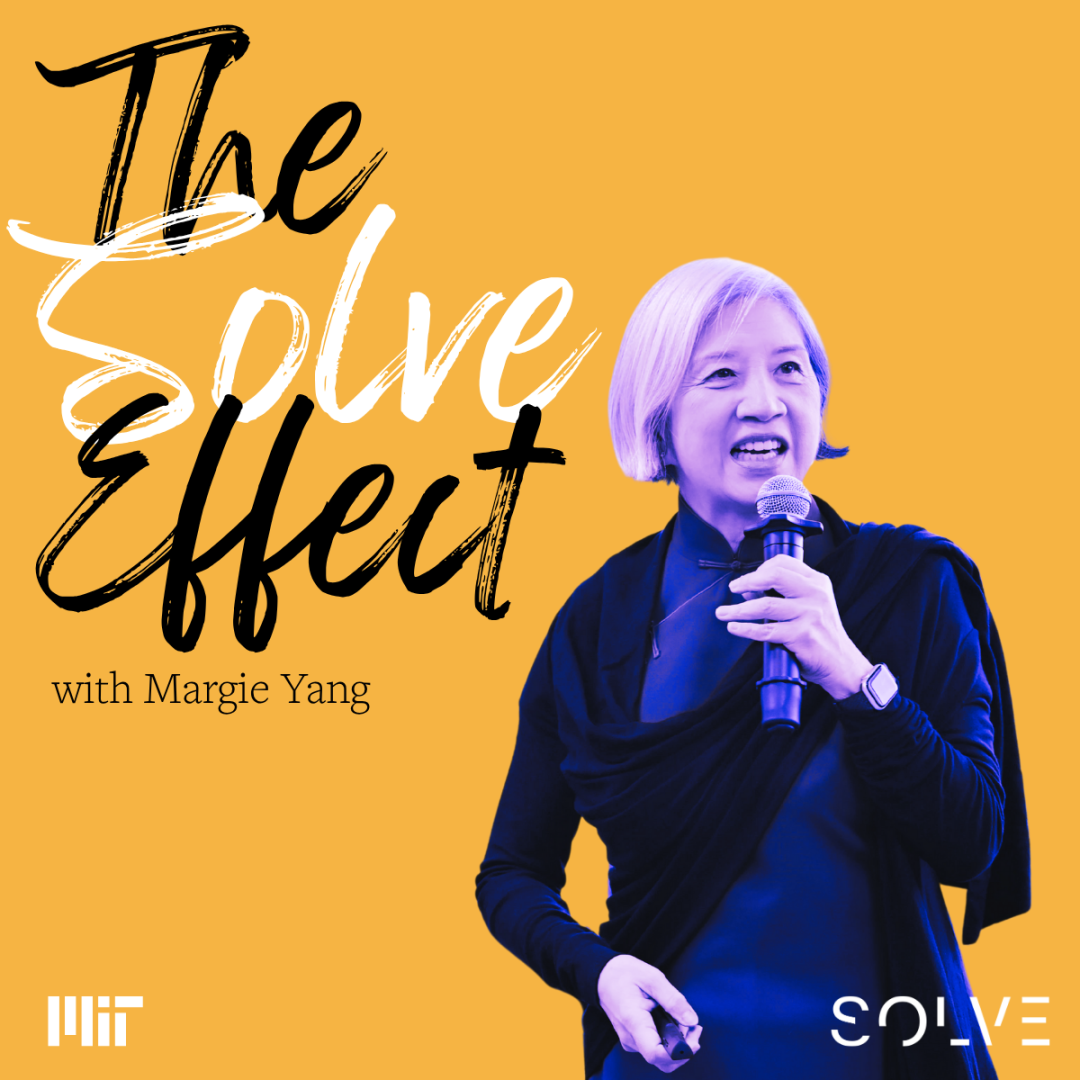
访谈中,杨敏德女士回顾了自己的职业生涯,强调了麻省理工学院和哈佛大学的教育背景对她管理理念的影响。她坚信,企业在实现自身发展的同时,更应承担社会责任,关注其对环境和社会的影响,通过技术创新和可持续发展实践,为地球和人类做出贡献。溢达历时十余年成功研发的无水染色技术,实现染色着色过程零用水,有望大幅减少纺织行业水资源消耗,引领全球纺织产业的“绿色革命”。

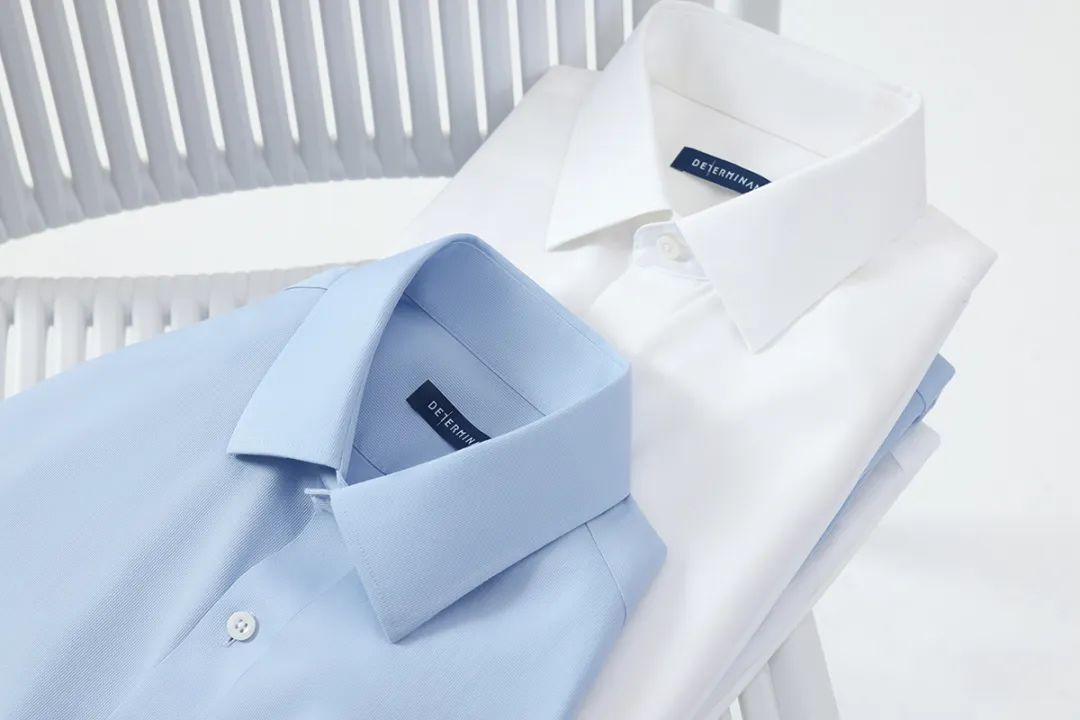
杨敏德女士表示,面对贸易战、关税和供应链转移等挑战,企业应将危机视为转型的契机,积极拥抱不确定性,通过创新和管理优化提升竞争力。作为全球领先的知识型创新企业,近年来,溢达敏捷韧性应对复杂多变的国际市场环境,加速从传统制造业向品牌和科研产业化转型,以零售品牌PYE派和十如仕直接向消费者传递绿色可持续时尚理念,并将多年潜心研发的科研成果进行商业化推广,赋能行业加速迈向可持续发展。

这是一次鼓舞人心的对话,展现了我们的工作如何产生积极广泛的影响,且真正做到“励志笃行 有所作为”。
以下为播客访谈实录全文,亦可点击文末“阅读原文”查看:
The Solve Effect Podcast - Episode 1:A Textile Titan
What does a 72-year-old textile titan have to do with saving our water supply?
HALA HANNA
Welcome to The Solve Effect. I’m your host, Hala Hanna. What if I told you that a 72-year-old textile titan might just help save our planet’s water supply?
Today, we welcome long-time Solve advisor Marjorie Yang—known to many as Margie. She’s the Chairman of Esquel Group, one of the world’s largest textile and apparel manufacturers, and a leader in technology and innovation.
Margie has spent her career advocating for sustainable manufacturing and better working conditions. She’s a powerful example of how business leadership can drive real social and environmental impact.
Welcome to The Solve Effect, Margie.
MARJORIE YANG
Thank you! I'm so happy to be here.
HH
You’ve led Esquel through major technological, scale, and cultural transformations. What personal philosophy guides your approach? Why do you do business differently?
MY
As I listened to your introduction, I realized that many of my ideas likely began at MIT. But to go back further: my grandfather studied at Tsinghua University, then Phillips Academy in Andover, and later Lehigh University. He was deeply influenced by Qinghua’s philosophy, that enterprises should build a national economy. At Lehigh, Frederick Taylor's thinking shaped him, too.
He brought those ideas back to China, ran a silk textile mill, and passed his management beliefs to my father. Growing up, I heard many conversations about leadership. The message was clear: if you lead, you must take care of your people.
I vividly remember becoming interested in the environment while at MIT. Books like Limits to Growth and Silent Spring defined my generation, and these ideas laid the foundation of my management philosophy.
Ironically, my father once told me to get a good education so I wouldn’t have to go into textiles—then later invited me into the industry himself. And I’m glad he did. Over time, I’ve realized how much my time at MIT and Harvard helped in this field.
People assume apparel is a low-tech, sunset industry. That’s totally untrue. There’s huge potential to apply what I learned to do good for people, the planet, and society.
We’re a small, private company, but we aim to be a catalyst for change. So we try to document what we are doing right and what we are doing wrong. Because we're a private company, we also have the freedom to have a longer-term vision and try to do the right things. But it takes somebody to, I think, write it and communicate it so that others can use us as an example and choose to see what part of our management style can be useful.
HH
What's wonderful about it is that it's also a story of the Industrial Revolution, the second, the third, the fourth, right? You're going from textile manufacturing to a real knowledge and technology company. That would be a wonderful book to read from an industry and business perspective. I would read that.
MY
Well, it's also very relevant to today's overall economic considerations. We started when China was just beginning its opening up and reform. In those days, China was very poor. So, a lot of factories went there because labor costs were cheap. Today, China is definitely no longer the poorest country. And many people say it's time to go and find a place where you have cheaper labor.
We decided that we would not. Our interest is to create quality employment. China should not lose all its manufacturing, a hot topic in the US today. We feel that we can manage better so that the workers. While they are still in this industry are making a better—improving their standard of living and through various means that we learn.
From MIT and Harvard, every management tool, every how-to use technology, every how-to use knowledge overall, how-to use knowledge to enhance the productivity of a workforce that needs to have a higher income. And this gets very, very interesting.
HH
You define a good job as more than good pay. You consider the whole person and their environment.
MY
Exactly. Years ago, a factory manager told me, "Even machines need a break." I’ve learned a lot from operators who describe a factory like an orchestra. If the sounds blend like music, it's working. If it sounds like a beginner on the cello, we have a problem.
One great operator, SK Wong, told me early on, "Do you like people? If not, you don’t belong in this business. If you enjoy seeing people earn a paycheck and buy milk for their babies, then you do."
Introducing technology is not about replacing people, but working with them. It should make their jobs easier, the products better, and the company stronger.
HH
You call yourself a small company, but you’re still enormous. And it seems your values have become your competitive edge.
MY
We were once a billion-dollar company. In 2020, our mill in Xinjiang was falsely accused of using forced labor and added to the entity list. It was a highly automated, air-conditioned spinning mill, not a garment factory.
Still, we lost half our business overnight—long-time clients, including U.S. and European brands, left under legal pressure. We had to lay off 30,000 people during COVID. We closed great factories—but did so fairly, without strikes.
Oddly, the crisis sparked change. For 10 years, we had PowerPoints about evolving from manufacturing to branding and technology, but we never did it. We were too successful and complacent.
This forced us to act. Our brand business went from near zero to $30 million. We developed automation for garment factories. I once tried a cuff-making machine—so easy, even I could use it. That’s progress.
We’re also using AI for fabric quality inspection—a job that's tough on the eyes and hard to fill. AI helps improve quality and trace problems back to the source.
HH
Let’s talk about water. I hear you’re pioneering waterless dyeing?
MY
Yes, this is huge. Waterless dyeing has existed for synthetics but not cotton. One day, after losing half our business, I asked the R&D head, "What else can we do?"
He said they’d quietly worked on waterless cotton dyeing for 10 years. I had no idea! We were too busy making shirts.
If this works, it might be my career highlight. It could save millions of liters of water. It goes back to Silent Spring. It’s a disruptive, planet-positive technology that I hope outlives me.
HH
It’s the innovator’s dilemma—you escaped a Kodak moment because of a crisis.
MY
Exactly. When a crisis hits, don’t just mourn. Ask what good can come from it. In turbulent times, the only constant is uncertainty. So, embrace it. Opportunity hides in disruption.
HH
So timely. Everyone is navigating trade wars, tariffs, and supply chain shifts. Your story offers leadership, technical, and management insights.
MY
Trade disruptions are the time to push harder. Digital trade must become more efficient. It removes waste.
HH
Speaking of innovation, one of our Solvers, Shelly Xu, uses AI to design zero-waste garments. I need to connect you two.
MY
Please do! I love the energy of the Solvers. I hope we keep encouraging one another. Tough times shouldn’t stop us.
Solvers must believe in their mission—not for praise, but because it matters. If you can keep going without external rewards, you’re on the right path.
HH
That’s so powerful. You center people, embrace technology, and make it joyful. Can I share your age?
MY
Of course. I think I already did!
HH
Margie is 72—and clearly just getting started. Your passion, values, and energy are inspiring.
MY
Thank you. Technology should serve humanity. We, as MIT graduates, must deliver on that promise. It’s a privilege to try.
HH
You’re a total badass.
Again, thank you to Margie for a truly inspiring conversation. Here are three key takeaways:
1. Use Crisis as a Catalyst: When Esquel lost half its business, it didn’t fold—it transformed. Your next big idea may be hiding behind your biggest obstacle.
2. Center People: Margie doesn’t use technology to replace jobs but to create better ones. Dignity is at the heart of innovation.
3. Stay Intrinsically Motivated: At 72, Margie is thriving because she loves the work. Passion and purpose fuel longevity.
Margie shows how leadership can balance profit with purpose, and how technology can uplift humanity.




点亮爱心,传递美好!