《顺德美食竹枝词》——名菜篇④
佛山侨联 2023-11-29 00:09

顺 德

美食竹枝词

2022年食品安全宣传周主题为

德饮食文化研究专家廖锡祥笔耕不辍,多年来经常创作竹枝词,以通俗易懂的语言,生动描述佛山顺德本土美食,形成富有粤语特色的粤菜文化诗歌。今在各方支持下,结集成书,名为《顺德美食竹枝词》

本书共收录顺德美食竹枝词200首,分为名菜篇、小吃篇、宴席篇、食材篇、食俗篇、食府篇和食典篇七个部分,全面、立体地展现了顺德美食文化的内涵和魅力。

猪几乎全身是宝

各个部位都极富营养

猪肉补充蛋白质、猪肺止咳、

猪蹄口感带劲、猪耳口感爽脆……

自然逃不出“爱吃”的顺德

在顺德,猪的做法颇多

但不管哪一道

都是上得了台面的大菜

本期,为大家介绍

《顺德美食竹枝词》——名菜篇④

一起品味顺德“全猪宴”
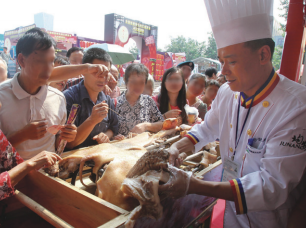
均安蒸全猪

Jun’an Steamed Pig  

蔡澜翘指叹雄哉,

港澳游人眼界开。

凛凛香豚成百重,

谁知甑自木笼来。
(图片由均安大板桥农庄提供)

此菜是均安名菜,已发布名菜联盟制作标准。均安蒸全猪创于清末民初,均安江尾用蒸猪做春秋二祭的胙肉。猪皮滑而肉爽,肥而不腻,香气四溢,民间风味极浓。经中央电视台《舌尖上的中国》(第一季)推介后,均安蒸全猪风靡全国。

This celebrated dish of Jun’an has been included in the Standards of Jun’an Famous Dishes. The history of this dish could date back to the late Qing Dynasty when a whole steamed pig was offered to gods and ancestors in Jiangwei, a small area in Jun’an, during Qingming (or the Tomb Sweeping Day) and the Double Ninth Festival. It is bewitchingly fragrant and richly fat but not greasy. The skin is smooth, while the flesh is elastically tender. When this dish was introduced in the first season of a famous documentary, A Bite of China, it rose to fame across the country.

黄连叉烧

Huanglian Barbecued Pork

炭火余温炙蜜浆,

先调汾酒味悠长。

光如琥珀明如玉,

古镇叉烧誉四乡。
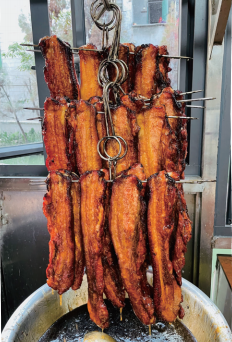
(图片由黄连大头华烧鹅店提供)

黄连叉烧是顺德著名传统烧腊品牌,早在20世纪20年代后期就已颇有口碑。黄连叉烧选用猪的颈上肉,精选山西汾酒、上好的麦芽糖和酱油,配以秘制香料及上等木炭,精心烤制而成,成色十足,肥的透明如玉,瘦的艳如琥珀,入口如饴,甘香嫩滑,每串叉烧几乎都有一两颗指甲大的焦黑“叉鸡”(火候恰当、用料纯正的标志)。

Huanglian barbecued pork, already famous in the late 1920s, is now a renowned brand of roast meat in Shunde. The main ingredients include pork shoulder, Shanxi Fen wine, malt sugar syrup, soy sauce and secret spices. Roasted over high-quality charcoal in a large standing roasting oven, the pork gets a tempting color, with rich crystal-like fat and the tender amber-like lean meat. It is aromatic, savory, and sweet. With perfect control of heat and timing, a high-quality barbecued pork would usually have several fingernail-sized caramelized marks on it.

秘制檀香骨

Sweet & Sour Spare Ribs      

Gray Clay Pot

扣得金排半瘦肥,

檀香脉脉绕盅飞。

调和借重离支醋,

醒胃佳肴世上稀。
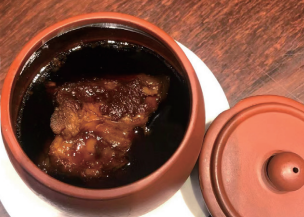
(图片由北滘果然居提供)

这是原顺德清晖楚香楼的一道名菜。特选半肥半瘦的净枝排骨,斩件,拉油后与荔枝醋、白醋、黑醋特调而成的甜酸酱汁一道,放入檀香木盅内扣至香酥,原盅上桌。此菜精美典雅,香味独特,酸甜开胃,肥而不腻,是改革开放后顺德新潮菜之一,曾走红香港“顺德名馔巡礼”和2001年台湾顺德美食节。

It’s a famous dish of former Qinghui Chuxianglou Restaurant in Shunde. After dredged in heated oil, the chopped ribs, better streaky rather than lean, are put in a gray clay pot, together with the sweet&sour sauce made with litchi vinegar, white and black vinegar. Steam till tender and fragrant. Then serve with the pot. Elegant, aromatic, and flavorful, it is one of the new Shundenese dishes since the reform and opening-up. This delicacy won its name in many events such as Shunde Famous Dishes Tour in Hong Kong and the 2001 Shunde Gourmet Festival in Taiwan.

猪脚姜

Stewed Pork Trotters with Ginger

猪脚煲来蛋自香,

祛风活血护群芳。

今时七尺奇男子,

吃醋犹如坐月娘。
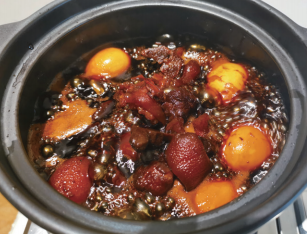
(图片由大良鱼膳坊提供)

猪脚(或猪手)煲姜是珠三角、港澳地区妇女的产后补品,通常用猪脚(猪后蹄)、鸡蛋、老姜、甜醋煲透而成。《广东小吃》一书中写道:“猪脚(手)姜醋蛋始创于广东顺德,已有几百年的历史。”煲透的老姜爽脆而不辣,猪脚皮焾软而不腻,甜醋甜而不酸,反复煲之,味厚而隽永。猪脚姜成为广东民间最具特色的滋补小吃和佳肴。
It is a must-have postpartum tonic and a popular nourishing treat across Guangdong. The ginger, Cantonese sweeten black vinegar, eggs and collagen-rich trotters are stewed for hours till they become soft and tender. A book, Guangdong Xiaochi(or Guandong’s Dim Sum), writes: “The stewed pork trotters with ginger was created in Shunde and had a history of hundreds of years.” The ginger is crunchy but not spicy; the trotters are soft but not greasy; the vinegar is sweet but not tangy. After repeated simmering, its flavor becomes richer and more intense.

杏汁炖白肺

Pig Lung Soup with Almond Juice

万濯千冲白似霜,

琉璃煨烂杏汤香。

应知本是工夫菜,

用足心思品便良。
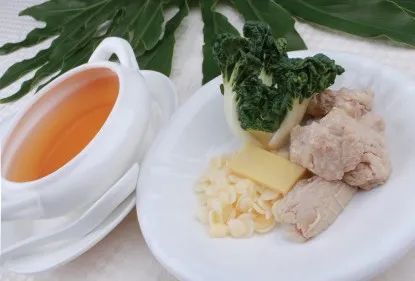
(图片由日盛世濠提供)

这是顺德猪肺养生老火靓汤中的极品。20世纪80年代,香港“厨师状元”梁敬(顺德籍)在陆羽茶室精心制作的杏汁炖白肺被《香港味道》赞为“玉液琼浆”,此菜可谓工夫菜的典型。

琉璃:指琉璃肺。
It’s a nonesuch of slow-cooked soups that nourish the lung. The milky soup was made by a native Shundenese master chef in Hong Kong, Liang Jing at Luk Yu Tea House in the 1980s. It is acclaimed as a classic example of Kung Fu delicacies by a book Hong Kong Wei Dao(or Hong Kong’s Taste).

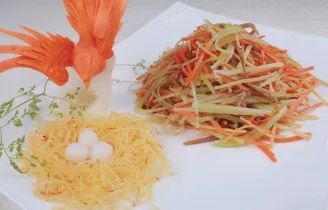
凤巢三丝

Three-shreds Nest

(Chicken, Marinated Pig Tongue & Tripe)

烹巢引凤治三丝,

笋作梧桐韭作枝。

更喜芙蓉添秀色,

厨乡小炒美如诗。
(图片由日盛世濠提供)

据《顺德县志》记载,“凤巢三丝”一菜“始制于清代,因用三种丝状食料与纵横交织若鸟巢的炸鸡(雅称凤)蛋丝制成,故名”。这三种丝分别是鸡丝、卤猪舌丝和卤猪肚丝。这是一道考验刀工,讲究“镬气”的小炒菜式,融入了“筑巢引凤”的神话传说,有诗情画意、文化色彩。

According to Shunde County Annuals, the dish firstly appeared in the Qing Dynasty and it’s named so because alongside a stack of three cooked meaty shreds is a bird nest made of entwined fried egg slivers. It is a technical “xiao chao” (small stir-fried) dish that requires topnotch knife skill and robust “wok hei”, a slightly seared flavor imparted to food in a seasoned wok. It’s also a poetic delicacy that depicts the legend of building nest to attract the female phoenix. “Xiao chao” is a term to describe a simple stir-fried medley of whatever ingredients cooks have in their kitchen, typically including a variety of vegetables and a little meat.

RECOMMEND


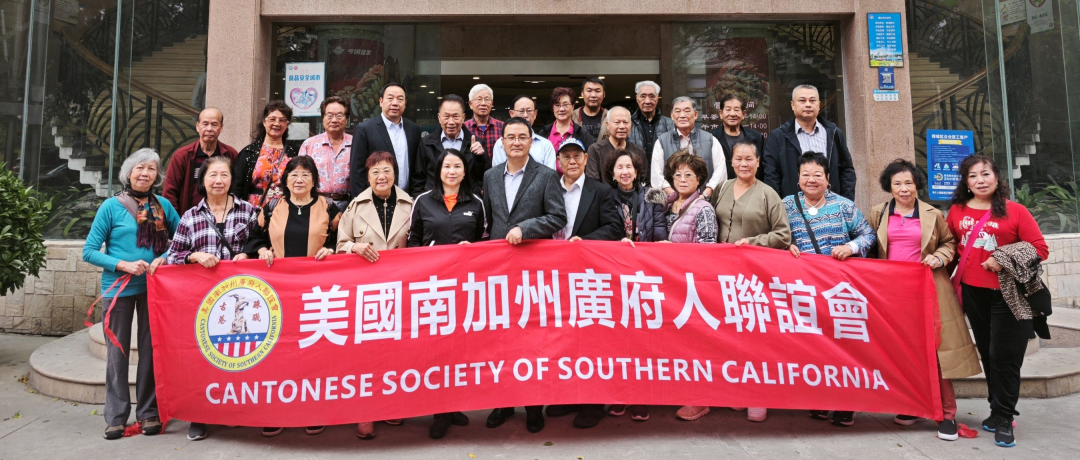
美国南加州广府人联谊会拜访佛山市侨联

来源 | 顺德区侨联、粤菜图书馆

编辑丨佛山市侨联微信编辑团队